Can an Invisalign Dentist Fix My Gapped Teeth?
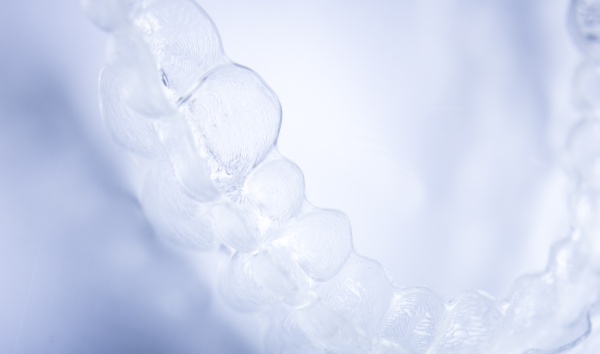
The Invisalign® system has changed the way some dentists and orthodontists work to repair cosmetic issues in a variety of patients. This clear tooth alignment system has allowed dental professionals to treat and correct these problems without the use of metal braces and has been especially useful in fixing gaps between the teeth. If you suffer from this imperfection and are curious if the system might help, contacting a dentist familiar with Invisalign® can be an effective first step toward achieving a more confident smile.
How does the system work?
Invisalign® teeth aligners are designed to fit the shape of an individual’s mouth and correct issues such as overbite, underbite and crooked teeth. The aligner is changed every few weeks and may be used for as briefly as six months or as long as 18 months. A dentist can gauge how long a patient will need to wear the aligner to correct gapped teeth.
The alignment system closes troublesome tooth gaps by shifting the position of the teeth over time. However, unlike metal braces, the plastic implement can be easily removed for oral care or for eating comfortably.
Does the aligner work on large gaps?
Invisalign® can fix most types of tooth gaps. However, larger gaps may take longer to correct, and patients might need to wear the aligner up to two years in this case. If the gaps are located on the upper teeth, a dentist may attach composite to several affected areas so they move properly once the aligner starts to work. Since all tooth gaps are different, a dental team will likely take x-rays and perform an oral exam before it is decided whether using the clear aligner is the best option for repairing the issue.
Are tooth gaps dangerous?
While using the Invisalign® system can be effective in repairing and improving smiles, it can also help reduce the risk of gum disease brought on by the presence of tooth gaps. When gaps exist between teeth, food particles can become trapped in those spaces and cause the gums to become swollen and irritated. As time passes, gingivitis may develop and lead to infection, bleeding and pain. Closing gaps with the aligner, along with regular brushing and flossing, can help prevent gum disease.
Who can use Invisalign® for gapped teeth?
One of the benefits of this system is that almost anyone can use it, including children. As kids lose baby teeth and new ones begin to come in, gaps may appear, especially in the upper row. Using this aligner can close those gaps while kids are still young and result in a beautiful smile without the need for metal braces.
Adults who have trouble with teeth gaps can ask an Invisalign® dentist about whether the system is the right choice for correcting the issue. While individual cases vary, the clear aligner works to repair gaps in adults of any age.
Conclusion
Gapped teeth affect your smile and may increase the risk of gum disease. Working with an Invisalign® dentist can correct these problems and give you a smile to be proud of.
Are you considering Invisalign® in the Brooklyn area? Get more information at https://mgdental.com.
Check out what others are saying about our services on Yelp: Read our Yelp reviews.
Recent Posts
A dentist may recommend a dental deep cleaning when gum health needs more support than a standard cleaning can provide. This treatment, also known as scaling and root planing, removes plaque and tartar from below the gumline. Its goal is to control bacteria, support healing, and protect the bone and tissue that hold teeth. Here…
Dental veneers can transform a smile by covering stains, small chips, uneven edges, or minor gaps. These thin porcelain shells are designed to blend with natural teeth, creating a smoother, more balanced look. Although they are strong, they still need the right daily care to stay polished and attractive. Our dentist seeks to help patients…
Finding a dentist near me for emergency care can make a stressful dental problem feel more manageable and less overwhelming. Sudden tooth pain, swelling, a broken tooth, or a knocked-out tooth needs prompt attention from a trusted dental team. Our general dentist, who provides emergency care, can evaluate the problem, relieve discomfort, and recommend the…
Gaps in a smile can make everyday tasks like eating or talking uncomfortable. Fortunately, dental bridges remain a reliable dental restoration to replace missing teeth and restore your everyday chewing function. This guide provides the information you need about the four types of dental bridges and helps you choose the right option for your unique…