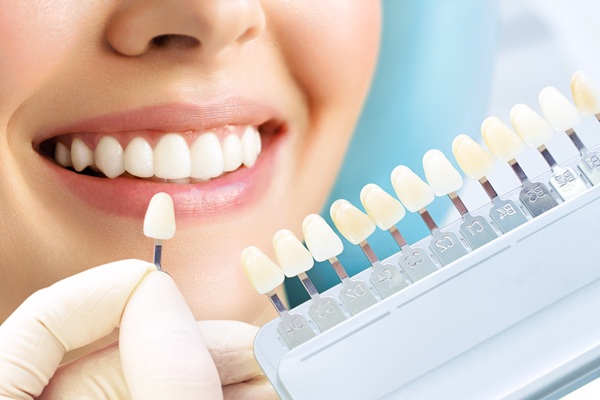
How Does a Dental Crown Protect Your Tooth?
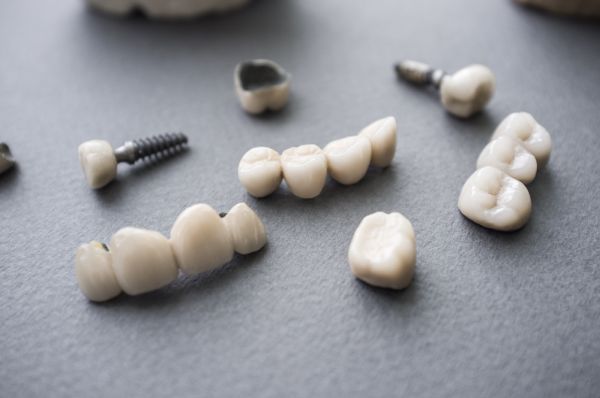
A dental crown can be used to fix a wide range of dental issues. Also called caps, these are tooth-like shells that are used to encase an entire tooth. It serves multiple functions: protecting the tooth from further decay and restoring its appearance.
Issues that crowns are often used to fix:
- Chipped, broken or cracked teeth
- Badly discolored teeth
- Severely decayed teeth
- Infected teeth
- Short teeth
- Gaps between teeth
How a dental crown protects a tooth
Here are ways that a crown protects the wearer's tooth from further damage:
1. It keeps away things that can damage the tooth
A dental crown protects teeth by keeping them safe from all the irritants in the mouth. Saliva, bacteria, food particles and acids are responsible for most of the dental issues people develop. Since the crown fully encases the tooth, these substances cannot reach the affected tooth to cause more damage.
For example, acids in the mouth are responsible for the vast majority of tooth decay. Some of these acids get into the mouth via the things a person eats, while others are produced by oral bacteria. These acids eat away at the protective outer layer of tooth (enamel), leaving the more sensitive parts of a tooth exposed.
2. It reinforces the tooth and protects it from bite forces
A crown also protects one's teeth from the forces involved in chewing. This is particularly important if the tooth has already been damaged. A crown restores the structural integrity and function of the tooth, allowing the patient to chew and speak with the damaged tooth as they have always done.
3. It holds the tooth together
When a tooth is protected with a cap, any fragmented parts of the tooth are held in place by the crown. This prevents the tooth from breaking into small pieces over time. It makes dental crowns an effective way to fix teeth that have fragmented into multiple pieces.
What to expect when getting a crown
There is not much to getting a dental crown. It starts with an evaluation, during which the dentist examines the patient and their oral issues. If the dentist determines a crown is the best solution, the patient's tooth will be prepared. This might involve removing a portion of enamel to make sure the crown holds tightly onto the remainder of the tooth.
An impression of the patient's mouth is taken, and this is sent to a dental lab that makes crowns. It takes about two weeks for the prosthetic to be ready. The dentist will usually fit the patient with a temporary crown and send them on their way.
Once the crown is ready, the patient is called back for an appointment, during which the temporary crown is taken out and the permanent one installed.
Need a crown?
Stop by our Brooklyn office if you are dealing with a dental problem that requires the use of a crown.
Request an appointment here: https://mgdental.com or call MG Dental at (718) 416-6444 for an appointment in our Brooklyn office.
Check out what others are saying about our services on Yelp: Read our Yelp reviews.
Recent Posts
A dentist may recommend a dental deep cleaning when gum health needs more support than a standard cleaning can provide. This treatment, also known as scaling and root planing, removes plaque and tartar from below the gumline. Its goal is to control bacteria, support healing, and protect the bone and tissue that hold teeth. Here…
Dental veneers can transform a smile by covering stains, small chips, uneven edges, or minor gaps. These thin porcelain shells are designed to blend with natural teeth, creating a smoother, more balanced look. Although they are strong, they still need the right daily care to stay polished and attractive. Our dentist seeks to help patients…
Finding a dentist near me for emergency care can make a stressful dental problem feel more manageable and less overwhelming. Sudden tooth pain, swelling, a broken tooth, or a knocked-out tooth needs prompt attention from a trusted dental team. Our general dentist, who provides emergency care, can evaluate the problem, relieve discomfort, and recommend the…
Gaps in a smile can make everyday tasks like eating or talking uncomfortable. Fortunately, dental bridges remain a reliable dental restoration to replace missing teeth and restore your everyday chewing function. This guide provides the information you need about the four types of dental bridges and helps you choose the right option for your unique…