The phrase "PPE per CDC guidance" has been in the news a lot lately. People are turning to the CDC to find out how to protect themselves from exposure to the coronavirus. Dentists are also tuned in to what the CDC has to say. Following the PPE per CDC guidance for dentists is critical in preventing the spread of the disease while treating patients. The guidance has changed with COVID-19. Dentists are incorporating these changes into their practices.
Using PPE per CDC guidelines during the pandemic
Dentists have long used PPE for protection during dental procedures. Even a routine cleaning meant dentists would put on surgical masks. The COVID-19 pandemic has changed the rules, though. While surgical masks provide protection, the material does not guard against the threat of COVID-19. Fortunately, the CDC has issued new guidelines that recommend dentists use the highest level of PPE possible.
Suit up during emergency dental procedures
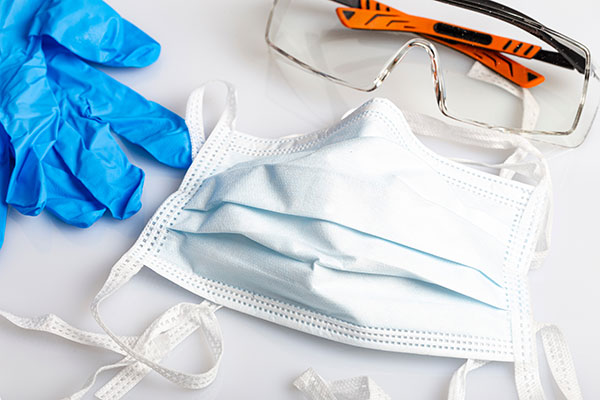
Dentists are only providing emergency dental procedures right now. This is to limit exposure to potential COVID-19 patients. When dentists do provide procedures, the CDC wants them to suit up with a gown, gloves and eye protection. Eye protection can be a face shield or goggles. Dentists can choose disposable or reusable eye protection and gowns. Gloves are disposable, though.
Also, the CDC recommends that dentists use N95 or higher-level respirators. These respirators prevent most particles from entering the mouth and lungs. Regardless of the procedure, dentists should wear these respirators if available. Of course, there is a shortage, with many providers unable to get their hands on N95 respirators. The CDC has a solution for that.
Substituting for N95 respirators during the pandemic
Dentists who do not have access to N95 respirators can use an FDA-approved surgical mask and a full-face shield. Surgical masks must be discarded after a single use. Most full-face shields can be reused after cleaning. Dentists must sanitize the shield before wearing it again. Face shields have different cleaning protocols. Dentists must follow the manufacturer’s guidelines.
Referring patients when PPE is not available
Some dentists do not have access to N95 respirators or surgical masks and face shields. They should refer patients to different providers. The CDC states that dentists without the necessary equipment should not perform any procedures. Even minor emergency procedures put dentists at risk at this time. Dentists should refer patients to providers that have the necessary PPE equipment.
Staying on top of PPE per CDC guidance
Dentists are staying on top of the CDC’s guidance regarding PPE. Your provider wants to keep the staff and patients safe. That is why these guidelines are in place. If you do need an emergency procedure, you will benefit by using a provider who takes these guidelines seriously. As frightening as this health crisis is, following guidelines restores some power and control. It reminds you that you can protect yourself during this difficult time.